How to Write a Compelling Essay about Refugees in Africa
No matter what your opinion is on the current refugee crisis, there's no denying that it's a complex and emotionally charged issue. And when it comes to writing an essay on the subject, it can be difficult to know where to start.
If you're considering tackling a refugee-themed essay, here are some tips on how to write a compelling and thought-provoking piece. You can also write any other kind of paper, including even psychology essay writing. The most important thing here is to choose a reliable service with experienced writers. This will save you from wasting time and make you more efficient in your studies.
Refugee issues are vast and multi-faceted, so it's important to do your research before you start writing. Choose a specific focus for your essay, whether it's the experience of refugees in a particular country or region, or a specific aspect of the refugee crisis.
And make sure to back up your points with evidence from reliable sources. This will help to make your argument more convincing and give your essay a solid foundation. It often happens that a student does not have a lot of time, and they have a request "best write my essay for me service," and this is quite normal. A tip that will make you always be productive in your studies is simple! Use any resource that will help you be more effective in your education.
Introduce the topic of refugees in Africa, highlighting the current crisis
Writing essays about refugees in Africa can be a daunting task. There are so many crises going on at once, and it can be difficult to know where to start. However, by focusing on a few key points and requesting "write my essays online" from a professional service, you can begin to develop a well-rounded picture of the current situation. First, it is important to understand that the majority of refugees in Africa are fleeing conflict or persecution. This means that they are typically displaced within their own countries, rather than crossing international borders. As a result, they often lack the resources and support that would be available to them if they were able to reach a refugee camp. Second, the scale of the current crisis is staggering. The United Nations has estimated that there are nearly 16 million refugees in Africa, which is equivalent to nearly one-third of the population of the United States. This massive displacement of people has placed a tremendous strain on both government and aid organizations. Finally, it is worth noting that the refugee crisis in Africa is not new. In fact, it predates the outbreak of World War II by several decades. While the scale of the current crisis may be unprecedented, its roots go back centuries. By understanding these three things, you will have laid the foundation for a well-informed essay about refugees in Africa.
Discuss the reasons why people become refugees
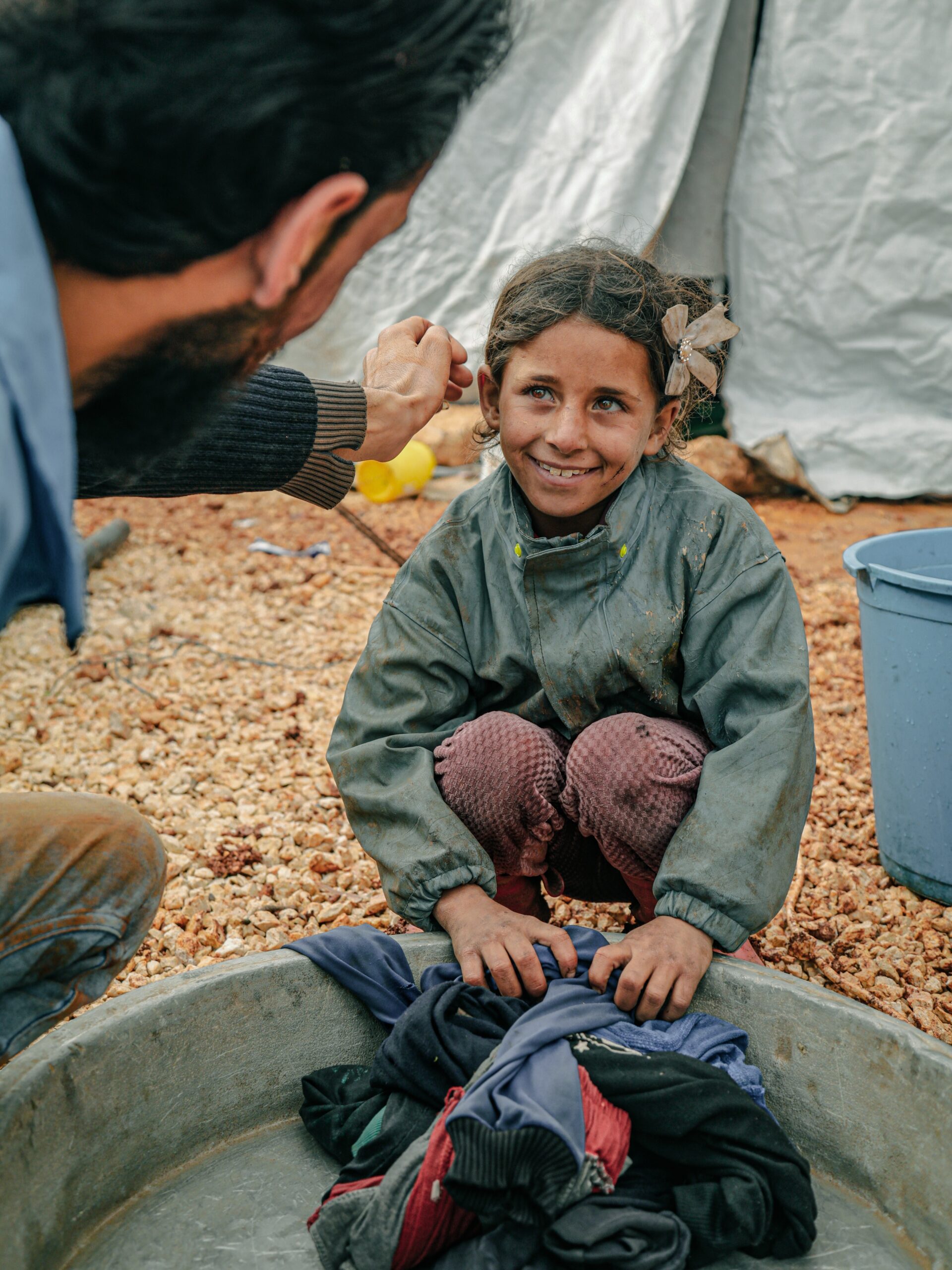
Essays are a tool that allows students to express their thoughts and opinions on a given topic. In this case, you will be discussing the reasons why people become refugees. This may include conflict and persecution. It is important to remember that there is not always one single reason why someone becomes a refugee. Rather, it is often a combination of factors. For example, someone may flee their country due to conflict, but also because they are facing persecution. Essays allow you to explore all of the reasons why people become refugees, and to consider the individual experiences of those who have been forced to leave their homes. To study this topic, use the services of research paper writers. This will give you the opportunity to write a great essay in a short time. In doing so, you can develop a deeper understanding of the issue and its impact on the lives of those affected.
Describe the journey of a refugee
A refugee is someone who has been forced to flee their country because of persecution, war, or violence. A refugee's journey often begins with a long and treacherous journey to escape their homeland. This journey can be incredibly dangerous, and many refugees do not make it to safety. Once a refugee reaches another country, they must then apply for asylum. This process can be long and difficult, and many refugees are not granted asylum. If a refugee is granted asylum, they may then begin the process of rebuilding their life in a new country. However, this process is often fraught with challenges, as refugees often face discrimination and isolation. Despite these challenges, many refugees are able to build new lives in their adoptive countries and contribute to the richness of their cultures. By contacting a professional service of experienced writers, you can write any essay at essaypro. It's easy because all you need to do is write "I need help" to the support service. One of the big advantages of using this service is that an experienced writer will write your work. This will save you time, and you will be sure of the quality of your paper.
Share stories of refugees who have made it to safety in Africa.
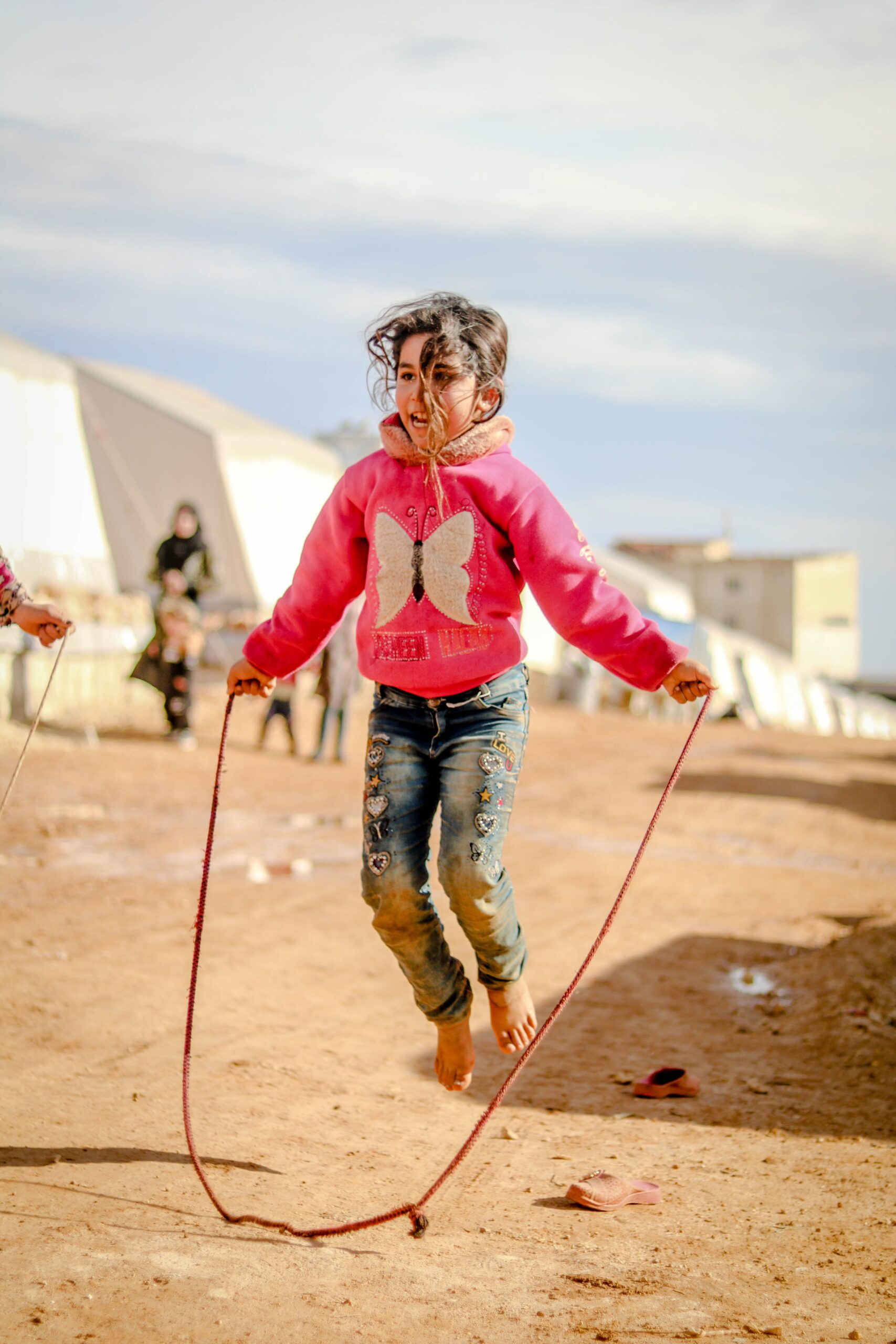
For example, in your essay you can describe the story of a refugee who has made it to safety in Africa. This could be a personal account of someone you know, or an account that you have read about or seen in the media. If you need help, you can find it online, for example on the website where you can hire a essay writer. Sharing stories of refugees who have been able to find safety and rebuild their lives can help to humanize the issue and give readers a better understanding of what refugees are dealing with. It can also be a powerful way to show the strength and resilience of refugees, in spite of the tremendous challenges they face.
In recent years, the number of refugees fleeing conflict and persecution has reached record levels. According to the UN refugee agency, there are currently more than 25 million refugees worldwide. And while the majority of refugees remain within their own countries, an increasing number are seeking safety in other countries.
In Africa, refugees have often been welcomed by host communities. This was the case in Uganda, where more than 1 million refugees from neighbouring countries have found safety. Many Ugandan families have opened their homes to refugees, and communities have come together to support them. As one Ugandan woman said, "We share what we have with them, because we know what it is like to be a refugee."
While life as a refugee can be difficult, there are also stories of hope and resilience. In Kenya, a Somali refugee named Yusuf has set up a successful business making and selling charcoal. He started with just $200, but now employs 20 people and has an annual turnover of $40,000. Yusuf is just one example of how refugees are finding new ways to rebuild their lives in Africa.
Describe the challenges refugees face in Africa
Refugees face many challenges when they arrive in Africa. First and foremost is finding shelter. Many refugees live in makeshift camps or crowded urban slums with little or no access to basic services like clean water and sanitation. They are also at risk of disease and exploitation. Finding food is another challenge refugees face. With limited resources and often little or no income, many refugees rely on aid agencies for food assistance. Even with help, however, many refugees do not have enough to eat and suffer from malnutrition. In addition to the challenges of finding shelter and food, refugees also face discrimination and hostility from host communities. With so many needs and so few resources, African countries are struggling to cope with the refugee crisis.
Call for compassion and action to help refugees in Africa
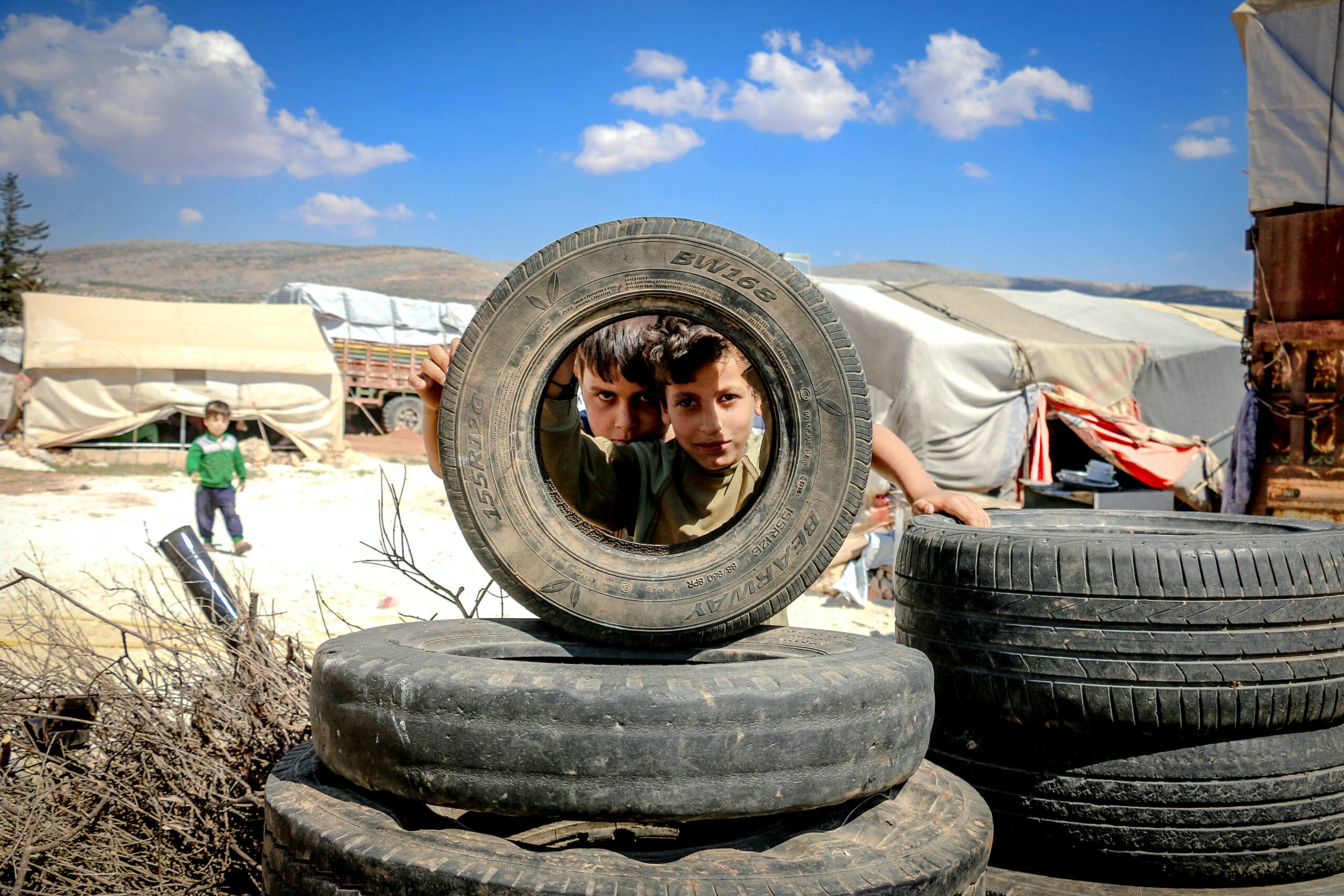
While the challenges refugees face in Africa are significant, there are also many people and organizations working to help them. From aid agencies to grassroots organizations, there are many ways to get involved in supporting refugees. You can also show your support by writing to your elected representatives and calling for action on the refugee crisis. By raising your voice, you can help make a difference for refugees in Africa.
Conclusion. What should be the conclusion of your essay?
The conclusion of your essay about refugees in Africa should emphasize the need for understanding and compassion. The refugee crisis is a complex one, and there are no easy solutions. However, by raising awareness and engaging in thoughtful discussion, we can begin to find ways to support refugees and help them rebuild their lives. Thank you for taking the time to read and consider my essay. I hope that it has given you a better understanding of the refugee crisis in Africa and the importance of solidarity in the face of adversity.